

Specialist cornea care in Pune
Cornea Specialist in Pune
Early diagnosis and appropriate treatment can help protect the cornea, manage symptoms, and preserve vision.

Cornea Specialist in Pune
Dr. Arushi Goyal Deshmukh
The cornea is the clear, dome-shaped outer layer of the eye that protects its internal structures and helps focus light for clear vision. When the cornea becomes infected, injured, scarred, or changes shape, it can affect eyesight and overall eye health.
Corneal conditions may cause symptoms such as whiteness of the eye, blurred vision, eye pain, redness, light sensitivity, or loss of vision. Some conditions develop gradually, while others require immediate medical attention to prevent permanent damage.
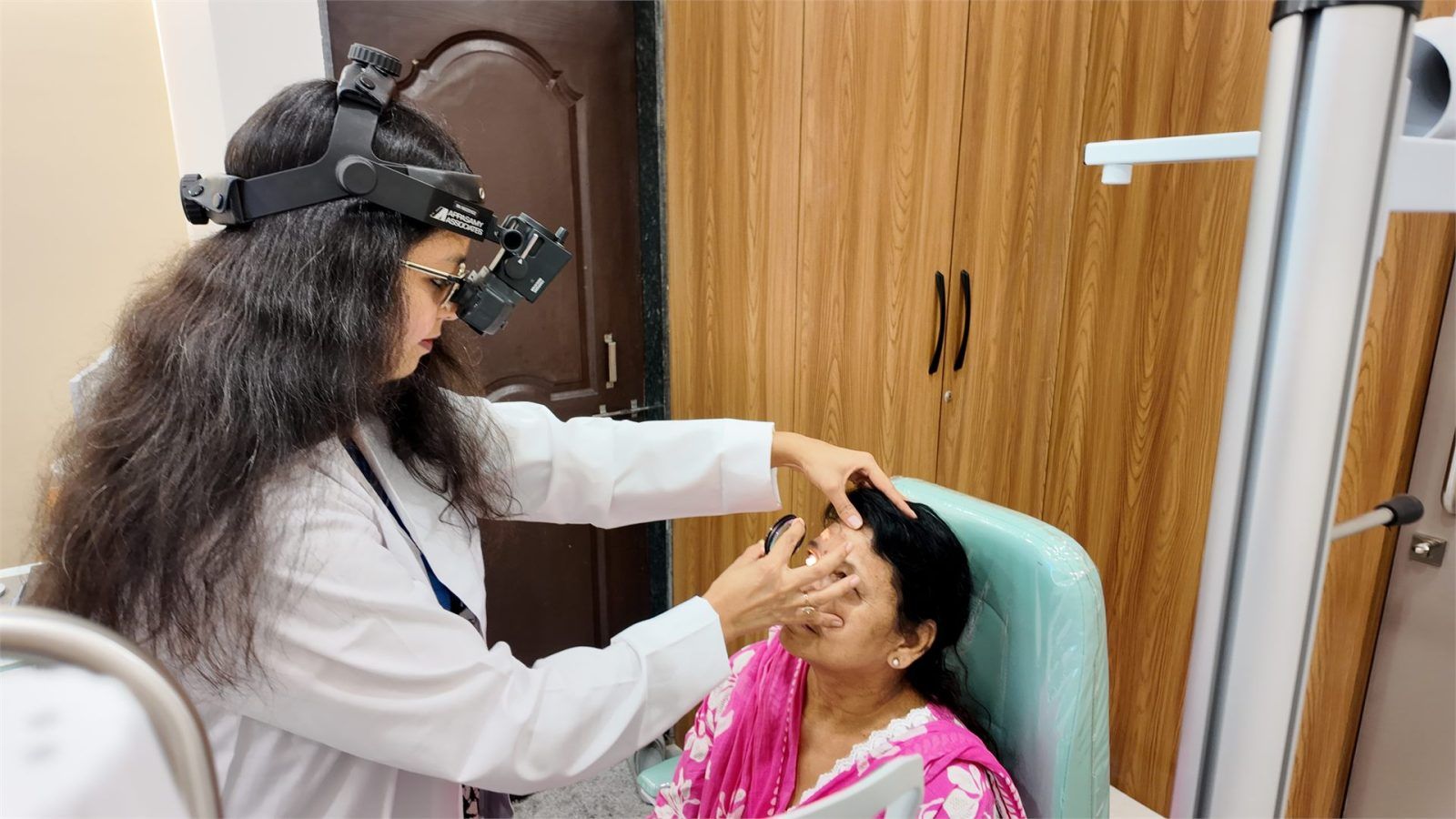
Dr. Arushi Goyal Deshmukh, a cornea specialist at Aapulki Eye Care, provides evaluation and guidance for patients experiencing corneal problems, including keratoconus, corneal infections, corneal scars, and eye injuries.
Whether you are looking for a cornea doctor in Pune for a first evaluation or a cornea surgeon in Pune to discuss procedures such as cross-linking or corneal transplantation, the consultation begins with a detailed examination of the cornea and the diagnostic tests needed to plan care.
Understanding the cornea
What Is the Cornea and Why Is It Important?
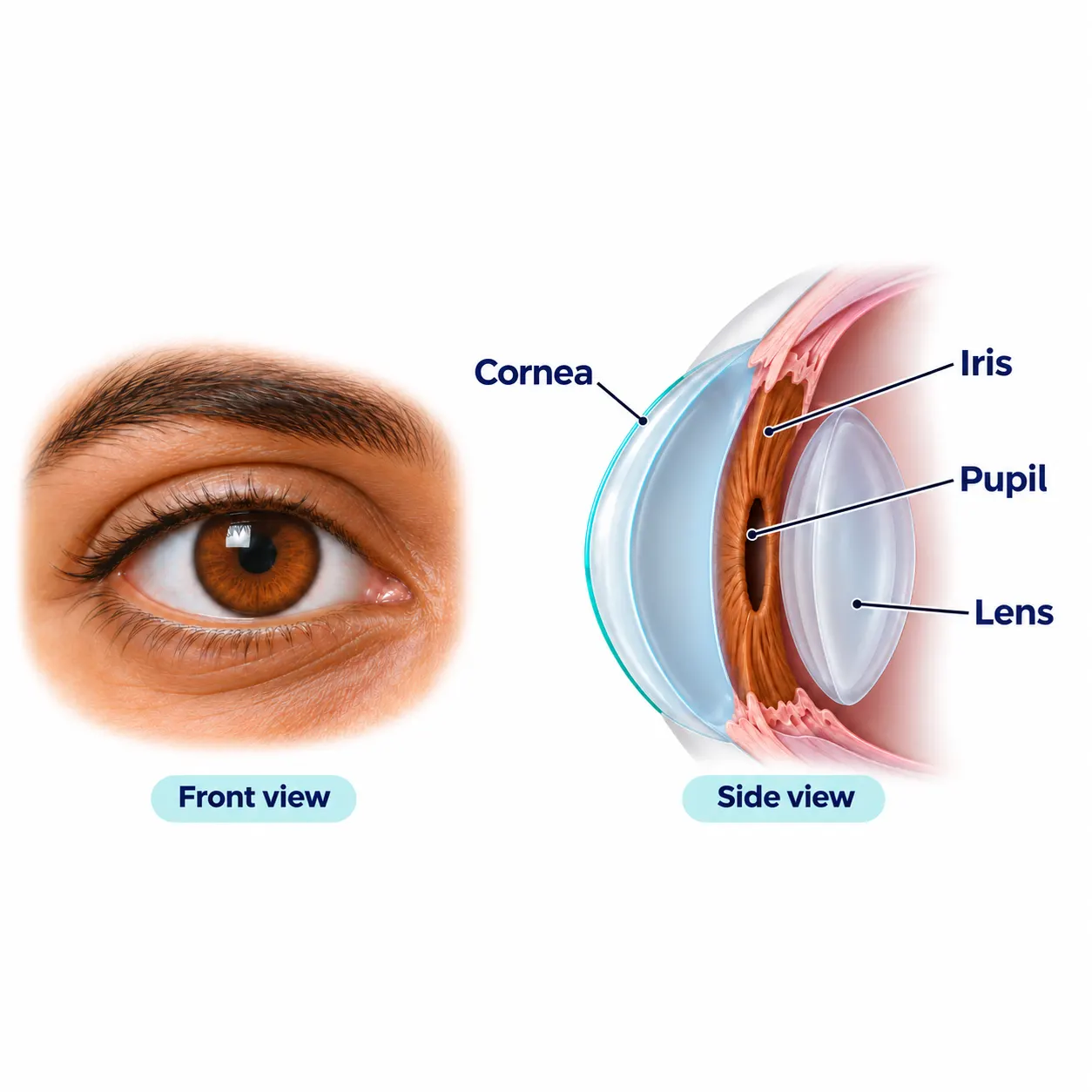
The cornea is the transparent front surface of the eye that covers the iris and pupil. It acts as a protective barrier against dust, germs, and foreign particles while allowing light to enter the eye.
The cornea also provides much of the eye's focusing power, making its shape, thickness, and transparency essential for clear vision.
Damage to the cornea may occur due to infections, injuries, genetic disorders, inflammation, or degenerative changes. Depending on the severity, these problems can cause temporary discomfort, visual disturbances, or permanent vision loss.
Signs to watch for
Common Symptoms of Corneal Problems
Corneal diseases can produce different symptoms depending on the underlying condition. Some symptoms appear suddenly, while others develop over several months or years.
01Whiteness of the Eye
A white, grey, or cloudy spot over the normally transparent cornea may indicate an underlying corneal condition.
Possible causes include:
Corneal infection or ulcer
Corneal scar
Corneal swelling
Previous eye injury
Certain corneal dystrophies
A newly developed white spot, especially when accompanied by pain or redness, requires urgent eye evaluation.
02Infection of the Cornea
A corneal infection, medically known as infectious keratitis, occurs when bacteria, fungi, viruses, or parasites affect the corneal tissue.
Common symptoms include:
Eye redness and pain
Excessive watering
Blurred vision
Sensitivity to light
White or cloudy spots on the cornea
Eye discharge
Untreated corneal infections can cause scarring and permanent visual impairment.
03Keratoconus
Keratoconus is a progressive condition in which the cornea becomes thinner and gradually bulges outward into a cone-like shape.
Symptoms may include:
Blurred or distorted vision
Frequent changes in spectacle power
Increased sensitivity to light
Glare and halos around lights
Difficulty seeing clearly at night
Irregular astigmatism
Early diagnosis can help identify corneal changes and guide treatment to reduce the risk of further progression.
04Difficulty Wearing Hard Contact Lenses
Patients with irregular corneal surfaces, particularly keratoconus, may require specialised contact lenses for better vision.
Rigid Gas Permeable (RGP) lenses and scleral lenses can help provide a smoother optical surface.
However, patients may sometimes experience:
Contact lens discomfort
Eye irritation or redness
Dryness
Difficulty inserting or removing lenses
Blurred vision due to improper lens fitting
A cornea specialist can assess the eye and recommend suitable contact lens options.
05Corneal Scarring
A corneal scar is an opaque or cloudy area that develops after damage to the corneal tissue.
Common causes include:
Previous corneal infection
Corneal ulcer
Eye trauma
Chemical injury
Deep scratches or inflammation
Scarring may interfere with the passage of light and reduce vision, particularly when located in the central cornea.
06Loss of Vision
Corneal disorders can lead to gradual or sudden vision loss.
Possible causes include:
Advanced keratoconus
Corneal infection
Severe corneal scarring
Corneal swelling
Traumatic corneal injury
Corneal dystrophy
Sudden loss of vision is a medical emergency and requires immediate assessment.
07Trauma to the Cornea
The cornea may be injured by foreign objects, accidents, chemicals, or direct impact.
Symptoms may include:
Sudden eye pain
Foreign body sensation
Excessive tearing and redness
Blurred vision or light sensitivity
Some injuries affect only the superficial corneal layer, while others can damage deeper tissues.
08Vegetable Injury to the Eye
Eye injuries caused by vegetable matter, such as plant leaves, branches, thorns, or agricultural materials, require particular attention.
These injuries can introduce microorganisms into the cornea and increase the risk of fungal keratitis.
Symptoms may include:
Persistent eye pain, redness, or watering
White spots on the cornea
Reduced vision or increased sensitivity to light
An eye injury involving plant material should be evaluated promptly, even when the initial symptoms appear mild.
09Other Common Corneal Symptoms
Patients may also experience:
Gritty or foreign body sensation: Feeling as though dust, sand, or an eyelash is stuck in the eye.
Eye pain or aching: Discomfort ranging from mild irritation to sharp pain.
Light sensitivity (photophobia): Pain or discomfort when exposed to sunlight or bright indoor lighting.
Blurry or foggy vision: Difficulty seeing objects clearly.
Visual distortion and ghosting: Wavy lines, overlapping images, or halos around lights.
Excessive tearing or discharge: Increased watering or unusual eye discharge.
Persistent redness: Redness that does not settle or occurs with pain and reduced vision.
When to seek care
When Should You Consult a Cornea Specialist?
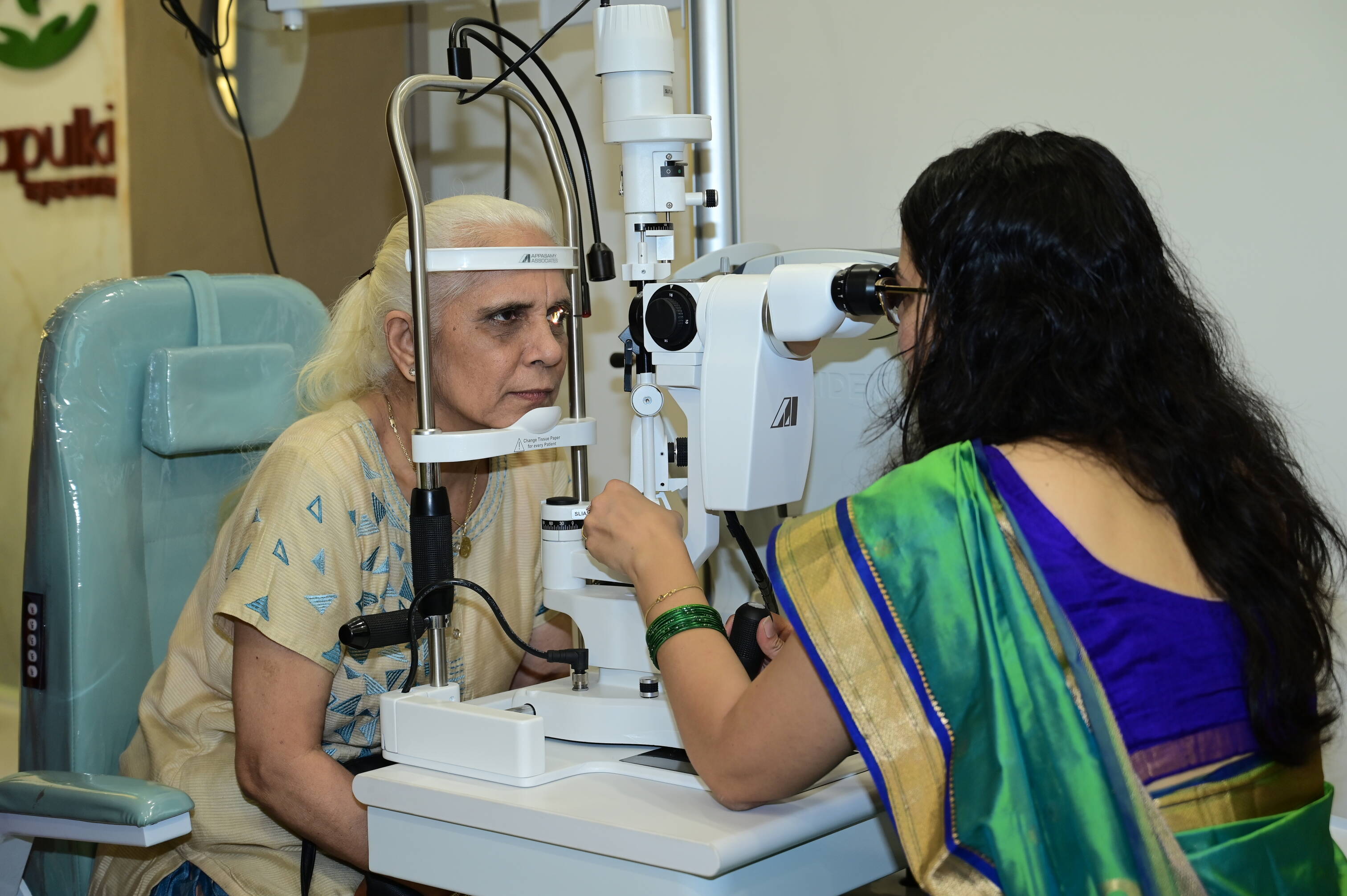
You should consult a cornea specialist if you notice:
Whiteness or a cloudy spot on the cornea
Persistent redness or eye pain
Suspected corneal infection
Gradual or sudden loss of vision
Increasing astigmatism or suspected keratoconus
Difficulty wearing hard contact lenses
Corneal scars affecting eyesight
Eye trauma or scratches
Injury caused by vegetable matter, leaves or branches
Persistent light sensitivity
Recurrent corneal ulcers
Blurred vision after previous eye surgery
Seek emergency eye care immediately if you experience sudden vision loss, severe eye pain, a chemical splash, a penetrating eye injury, or a painful red eye with a white corneal spot.
Call +91 8485045575
Do not delay evaluation for suspected corneal infection.
Meet Your Cornea Specialist
Dr. Arushi Goyal Deshmukh
M.B.B.S · M.S. Ophthalmology · Cornea & Refractive Fellowship, Sankara Nethralaya · FICO (UK)
Dr. Arushi Goyal Deshmukh is a Cornea Specialist with expertise in the diagnosis and treatment of corneal disorders, keratoconus, and dry eye disease. She completed her Cornea & Refractive Fellowship at Sankara Nethralaya, Chennai, and specialises in corneal transplantation (PK, DALK, DSEK & DMEK). She is the founder of Aapulki Eye Care, Pune.
View Doctor Profile
Patient education
Cornea Education Videos
KERATOCONUS SERIES FOR PATIENTS , INFORMATION FROM CORNEA SPECIALIST
Rural Visit for Corneal Transplant surgery , नेत्र प्रत्यारोपण !!
CORNEAL DIAGNOSIS
Corneal conditions
Common Corneal Diseases and Conditions
Corneal conditions are classified according to their cause and the layers of the cornea affected.
3 conditions
Structural and Shape Disorders
Keratoconus
A progressive thinning disorder of the cornea that can lead to irregular astigmatism, distorted vision, and increasing dependence on specialised contact lenses.
Pellucid Marginal Degeneration (PMD)
Pellucid Marginal Degeneration is a condition characterised by thinning near the lower edge of the cornea, often resulting in irregular astigmatism and reduced visual clarity.
Post-LASIK Ectasia
Post-LASIK ectasia is an uncommon complication of laser vision correction in which the cornea progressively weakens, thins, and changes shape.
5 conditions
Corneal Infections and Inflammation
Bacterial Keratitis
Bacterial keratitis is an infection of the cornea that can develop after an eye injury or improper contact lens use, and may lead to corneal ulcers.
Fungal Keratitis
Fungal keratitis is a serious corneal infection that may occur following an injury involving plant material, agricultural objects, or contaminated surfaces.
Prompt diagnosis and treatment are essential to reduce the risk of permanent corneal damage.
Acanthamoeba Keratitis
Acanthamoeba keratitis is a rare but potentially severe infection associated with exposure to contaminated water, especially in contact lens users.
Herpes Simplex and Herpes Zoster Keratitis
These viral infections can affect the corneal surface and deeper tissues, causing inflammation, discomfort, reduced corneal sensation, and recurrent episodes.
Non-Infectious or Autoimmune Keratitis
Certain autoimmune conditions, including rheumatoid arthritis and lupus, may trigger corneal inflammation and damage.
3 conditions
Inherited Corneal Dystrophies
Fuchs' Endothelial Dystrophy
This condition affects the innermost corneal cells responsible for maintaining corneal clarity. As these cells become less effective, fluid accumulates, causing corneal swelling and cloudy vision.
Map-Dot-Fingerprint Dystrophy
Also called Epithelial Basement Membrane Dystrophy, this condition affects the outer corneal layer and may lead to recurrent painful corneal erosions.
Lattice, Granular and Macular Dystrophies
These inherited disorders cause abnormal deposits within the cornea, gradually affecting its transparency and visual function.
5 conditions
Surface and Injury-Related Conditions
Corneal Abrasion
A corneal abrasion is a scratch on the corneal surface caused by fingernails, dust, paper, contact lenses, or other foreign objects.
Severe Dry Eye and Exposure Keratopathy
Poor tear quality or incomplete eyelid closure can damage the corneal surface, resulting in irritation, dryness, and visual disturbances.
Pterygium
Pterygium is a non-cancerous fleshy growth that develops over the white part of the eye and may extend onto the cornea.
Bullous Keratopathy
Bullous keratopathy occurs when corneal swelling causes painful fluid-filled blisters on the surface.
Corneal Scar or Leukoma
A corneal scar is an area of permanent or persistent opacity caused by previous infection, inflammation, injury, or ulceration.
Accurate diagnosis
How Are Corneal Diseases Diagnosed?
Accurate diagnosis is important for identifying the affected corneal layer, assessing disease severity, and selecting the appropriate treatment.
A cornea specialist may recommend several investigations depending on the patient's symptoms and examination findings.
Diagnostic Tests for Corneal Conditions
Diagnostic Test
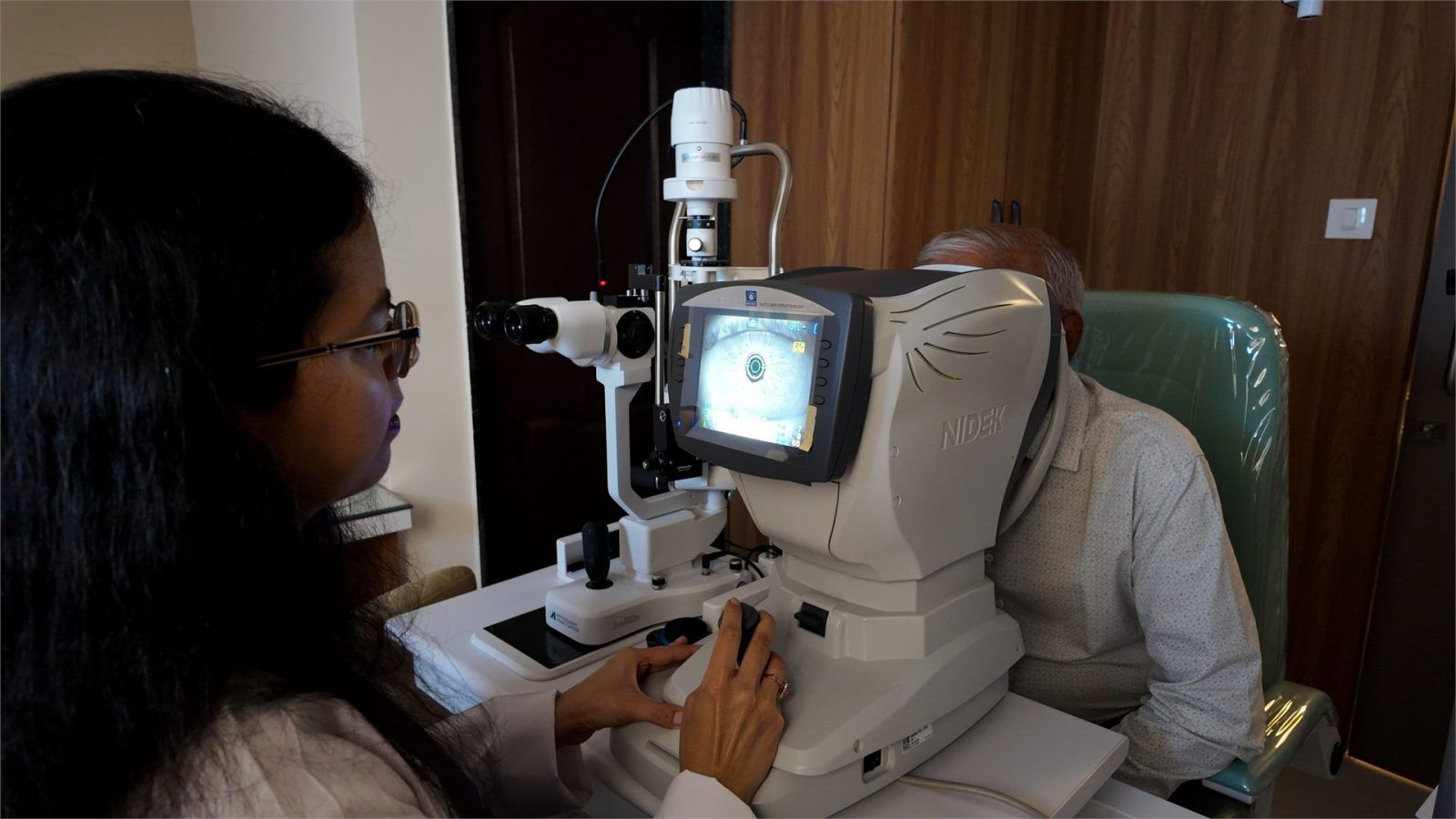
Slit-Lamp Examination
Purpose Uses a specialised microscope to examine the cornea and other structures of the eye.
Conditions Evaluated Corneal infections, scars, ulcers, injuries and inflammation
Diagnostic Test
Fluorescein Eye Stain
Purpose Uses a special dye and blue light to identify damaged areas of the corneal surface.
Conditions Evaluated Corneal abrasions, ulcers and dry eye
Diagnostic Test
Corneal Topography / Tomography
Purpose Creates detailed maps of corneal shape, curvature and elevation.
Conditions Evaluated Keratoconus, irregular astigmatism and corneal ectasia
Diagnostic Test
Pachymetry
Purpose Measures the thickness of the cornea using ultrasound or optical scanning.
Conditions Evaluated Corneal thinning and swelling
Diagnostic Test
Anterior Segment OCT
Purpose Creates high-resolution cross-sectional images of corneal tissue.
Conditions Evaluated Corneal scars, ulcers, structural abnormalities and transplant evaluation
Diagnostic Test
Corneal Scraping / Culture
Purpose Collects a sample from an infected cornea for laboratory testing.
Conditions Evaluated Bacterial, fungal and other microbial corneal infections
The choice of investigations depends on the suspected diagnosis and severity of the condition.
Personalized planning
Corneal Treatments and Surgical Procedures
Treatment for corneal diseases depends on the underlying cause, severity, location of the damage, and effect on vision.
Some conditions can be managed with medications or specialised contact lenses, while others require procedures or surgery.
01
Non-surgical
Non-Surgical Corneal Treatments
Medical Treatment for Corneal Infections
Corneal infections may require prescription antimicrobial medications depending on the organism responsible.
Treatment options may include:
Antibiotic eye drops for bacterial infections
Antifungal medications for fungal keratitis
Antiviral medications for certain viral infections
Lubricating eye drops and supportive care when appropriate
The treatment plan is determined after clinical examination and, when necessary, laboratory investigations.
Patients should avoid self-medicating with steroid eye drops because inappropriate steroid use may worsen certain corneal infections.
Hard Contact Lenses for Keratoconus
Specialised contact lenses can improve vision in patients with keratoconus and irregular corneal surfaces.
Options may include:
Rigid Gas Permeable (RGP) lenses
Scleral contact lenses
Other specialised lenses based on corneal shape
These lenses can improve visual clarity but do not stop keratoconus from progressing.
02
Procedure
Corneal Strengthening and Reshaping Procedures
Keratoconus treatment in Pune usually begins with corneal topography to confirm the diagnosis and check whether the condition is progressing. Cross-linking, ring segments, and specialised contact lenses are then considered according to the stage of the condition.
Corneal Collagen Cross-Linking (CXL)
Corneal Collagen Cross-Linking is a procedure used primarily to slow or stop the progression of keratoconus and selected cases of corneal ectasia.
The procedure involves riboflavin (Vitamin B2) eye drops and controlled ultraviolet-A light to strengthen the collagen structure of the cornea.
The objective is to stabilise the corneal shape and reduce further progression.
Intrastromal Corneal Ring Segments (ICRS / Intacs)
Intrastromal Corneal Ring Segments are small, transparent curved implants inserted into the cornea to modify its shape.
They may be considered for selected patients with keratoconus to improve corneal regularity and visual quality.
Phototherapeutic Keratectomy (PTK)
Phototherapeutic Keratectomy uses an excimer laser to treat selected superficial corneal abnormalities.
It may be considered for:
Superficial corneal scars
Recurrent corneal erosions
Certain corneal surface irregularities
Selected corneal deposits
Refractive Laser Surgeries (LASIK, PRK, SMILE)
Refractive laser procedures reshape the cornea to correct suitable cases of myopia, hyperopia, or astigmatism.
A detailed corneal evaluation is required before considering these procedures. Patients with keratoconus or certain other corneal abnormalities may not be suitable candidates.
03
Surgery
Ocular Surface and Reconstruction Surgeries
Pterygium Excision with Autograft
Pterygium surgery involves removing the abnormal tissue growing toward the cornea.
A conjunctival autograft may be placed over the treated area to reduce the risk of recurrence.
Amniotic Membrane Transplantation (AMT)
Amniotic Membrane Transplantation uses a biological membrane to support healing of the ocular surface.
It may be considered in selected cases of:
Persistent corneal epithelial defects
Severe corneal ulcers
Chemical injuries
Corneal surface damage
Difficult-to-heal corneal conditions
Limbal Stem Cell Transplantation (LSCT)
Limbal Stem Cell Transplantation aims to restore damaged limbal stem cells, which are important for maintaining and regenerating the corneal surface.
It may be considered for selected patients with severe ocular surface damage following chemical or thermal injuries.
04
Transplant
Corneal Transplant Surgery (Keratoplasty)
A corneal transplant may be recommended when corneal damage significantly affects vision and cannot be adequately managed through other treatments.
Corneal transplantation involves replacing damaged corneal tissue with healthy donor tissue.
The type of transplantation depends on which corneal layers are affected.
Patients considering a corneal transplant in Pune are examined first to see whether a partial-thickness or full-thickness procedure is appropriate.
Types of Corneal Transplant Surgery
DMEK (Descemet's Membrane Endothelial Keratoplasty)
DMEK replaces the diseased innermost endothelial layer of the cornea with a thin layer of healthy donor tissue.
It is commonly considered for conditions such as Fuchs' Endothelial Dystrophy and selected cases of endothelial dysfunction.
In suitable patients, DMEK can provide relatively rapid visual recovery and a lower risk of graft rejection compared with some other transplant techniques.
DSAEK (Descemet's Stripping Automated Endothelial Keratoplasty)
DSAEK replaces the damaged endothelial layer along with a thin supporting layer of donor corneal tissue.
It is used for selected conditions affecting the inner corneal layers.
DALK (Deep Anterior Lamellar Keratoplasty)
DALK replaces the damaged front and middle layers of the cornea while preserving the patient's healthy inner endothelial layer.
It may be considered for advanced keratoconus, certain corneal scars, and other conditions where the endothelium remains healthy.
PKP (Penetrating Keratoplasty)
Penetrating Keratoplasty is a full-thickness corneal transplant in which the damaged cornea is replaced with donor tissue.
It may be required for:
Deep corneal scarring
Advanced corneal disease
Severe corneal trauma
Selected cases of corneal ulceration or perforation
Conditions affecting the full thickness of the cornea
Keratoprosthesis (Artificial Cornea)
Keratoprosthesis involves implanting an artificial corneal device, such as the Boston Keratoprosthesis.
It may be considered in carefully selected cases where conventional donor corneal transplantation is unlikely to succeed or has repeatedly failed.
Common questions
Frequently Asked Questions About Corneal Diseases
What are the common symptoms of corneal disease?
Common symptoms include eye redness, pain, watering, blurred vision, light sensitivity, whiteness of the cornea, and reduced vision. The symptoms depend on the underlying condition.
Is a corneal infection serious?
Yes. Some corneal infections can progress rapidly and cause ulcers, scarring, or permanent vision loss. Early diagnosis and appropriate treatment are important.
Can keratoconus cause permanent vision problems?
Keratoconus can cause progressive distortion of vision. Early diagnosis, suitable optical correction, and treatment such as corneal cross-linking when indicated can help manage the condition.
What are the options for keratoconus treatment in Pune?
Keratoconus treatment depends on the stage of the condition and whether it is progressing. Spectacles or specialised contact lenses such as RGP and scleral lenses can improve vision, but they do not stop progression. Corneal cross-linking aims to slow or stop progression; it does not reverse existing corneal changes, so spectacles or contact lenses may still be needed. Intrastromal corneal ring segments may be considered in selected eyes, and corneal transplantation such as DALK in advanced cases. The plan is decided after corneal topography and a detailed examination.
Can a corneal scar be treated?
Treatment depends on the size, depth, and location of the scar. Options may include specialised contact lenses, selected laser procedures, or corneal transplantation in more severe cases.
When is a corneal transplant required?
A corneal transplant may be considered when significant corneal scarring, swelling, structural damage, or advanced disease reduces vision and other treatment options are insufficient.
What is the difference between DALK and DMEK?
DALK replaces the damaged front and middle layers of the cornea while preserving the patient's healthy inner endothelial layer, and may be considered for advanced keratoconus and certain corneal scars. DMEK replaces only the diseased innermost endothelial layer and is commonly considered for conditions such as Fuchs' Endothelial Dystrophy. The choice depends on which corneal layers are affected.
Should I see a cornea doctor or a cornea surgeon in Pune?
A cornea specialist is an ophthalmologist who manages corneal conditions both medically and surgically, so the same consultation covers both. Most corneal problems are first assessed with an examination and diagnostic tests and treated with medication or contact lenses where suitable. Surgery is discussed only when it is likely to help.
Where can I consult a cornea specialist in Pune?
You can consult Dr. Arushi Goyal Deshmukh, Cornea Specialist in Pune, for evaluation of corneal symptoms and guidance on appropriate treatment.
Still have a question?
Speak to the clinic for guidance on corneal symptoms and appointments.
Call +91 8485045575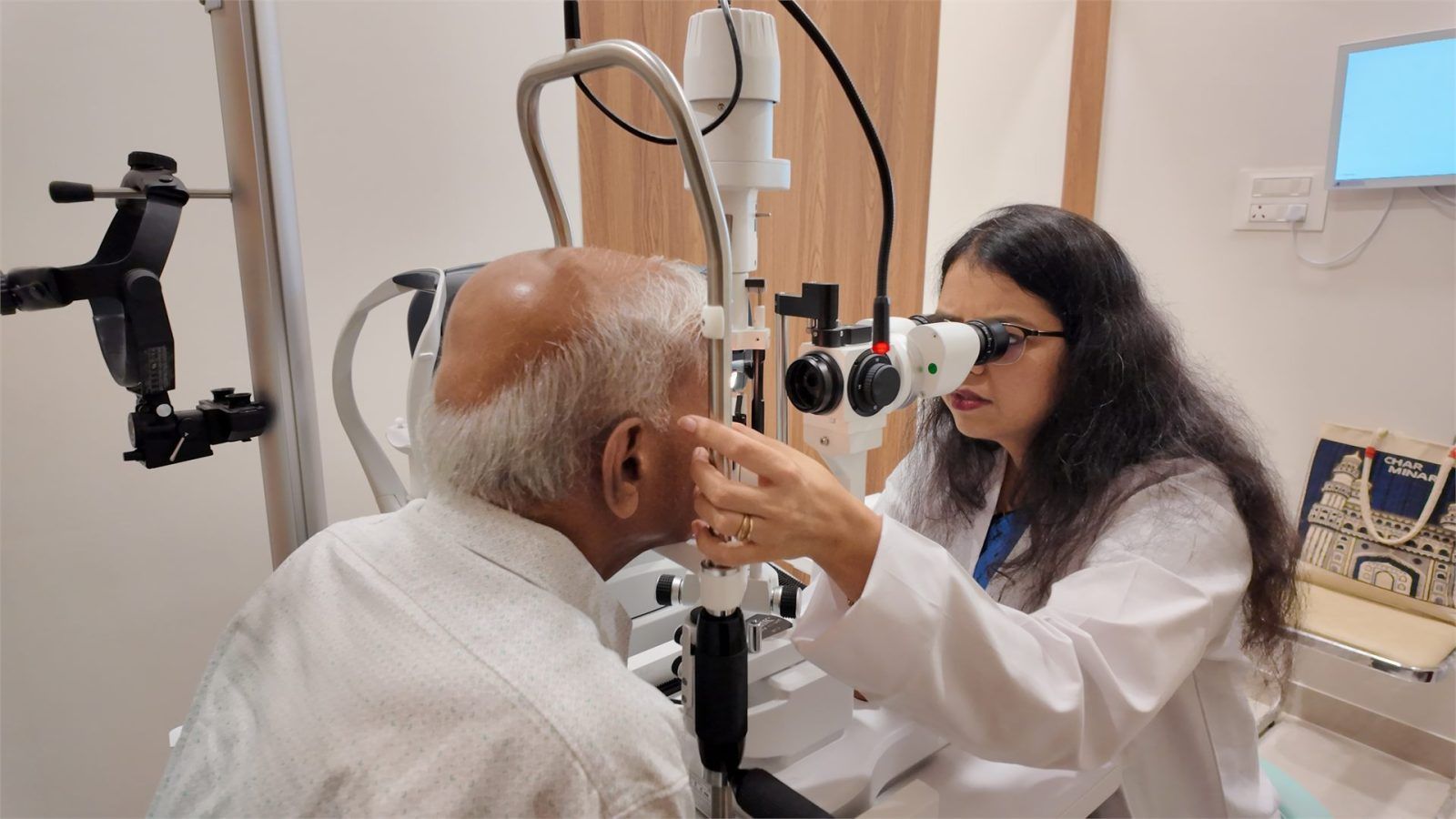
Dr. Arushi Goyal Deshmukh
Cornea Specialist in Pune
If you are experiencing symptoms of corneal disease, timely assessment can help identify the cause and determine appropriate management. Patients often look for a cornea doctor in Pune when symptoms persist despite routine treatment, when keratoconus is suspected, or when a corneal procedure has been advised.
Do not ignore persistent eye redness, corneal whiteness, blurred vision, pain, or symptoms following an eye injury.
Dr. Arushi Goyal Deshmukh provides a comprehensive corneal evaluation, and treatment recommendations depend on the clinical findings, severity of the condition, and individual visual needs.