Corneal Transplant — PK / DALK / DSEK
Layer-specific or full-thickness transplant options may be considered according to the location and depth of corneal damage.
More Details Aapulki Eye Care

Personalized diagnosis and thoughtful treatment planning for the cornea, cataract, refractive errors, dry eye, and keratoconus.

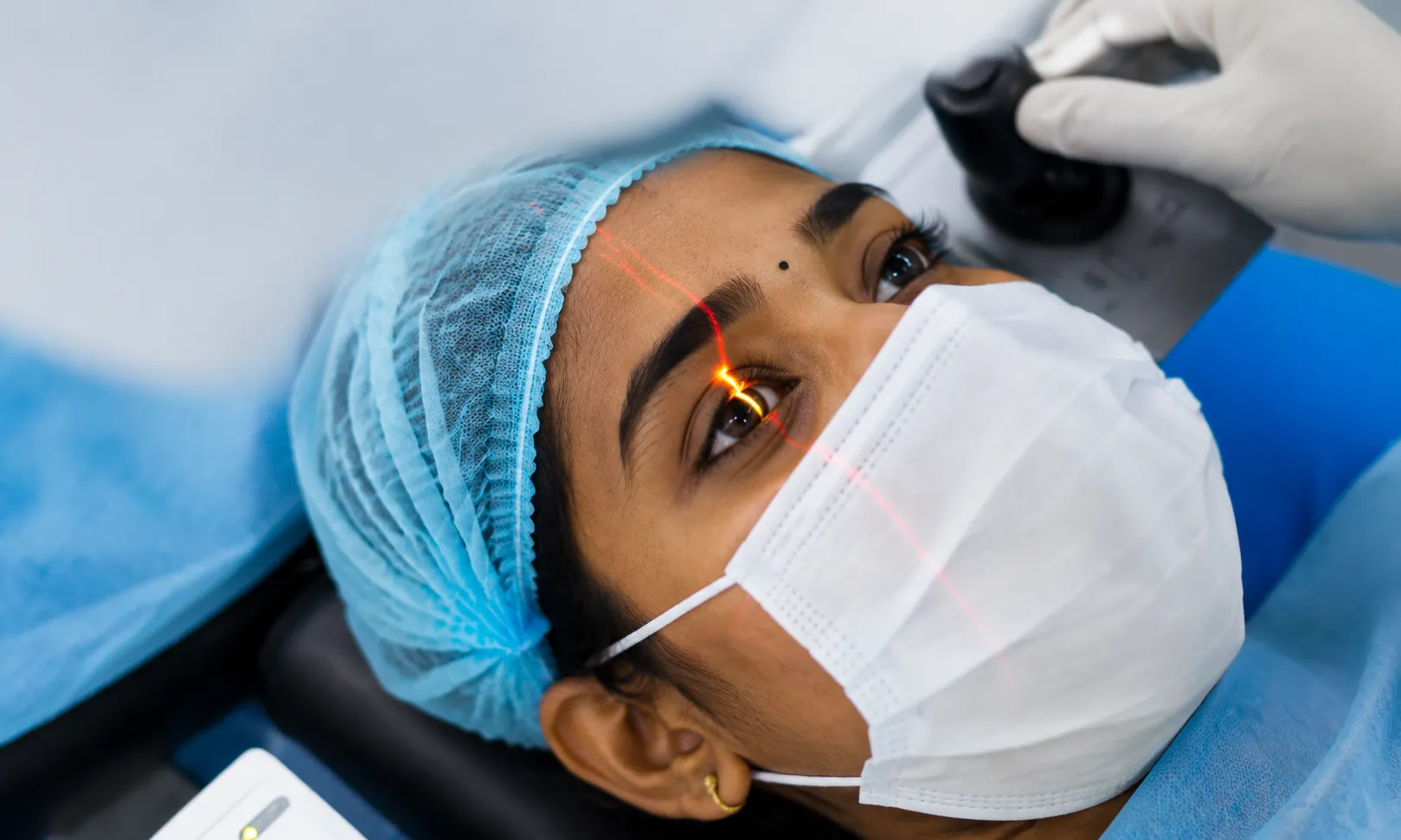 Cornea Treatment
Corneal disease, injury, scarring, or surface damage can affect both clarity and comfort. Treatment is selected after careful evaluation of the affected corneal layers and the health of the ocular surface.
Layer-specific or full-thickness transplant options may be considered according to the location and depth of corneal damage.
More DetailsA protective biological graft used in selected ocular-surface conditions to support healing and reduce inflammation.
More DetailsReconstructive treatment for selected severe surface and eyelid-related conditions affecting eye protection and comfort.
More Details LASIK & Refractive Care
Refractive treatment planning considers corneal shape, thickness, prescription stability, lifestyle, age, and overall eye health before recommending a suitable approach.
Advanced laser vision correction procedure that reshapes the cornea to address near-sightedness, far-sightedness, and astigmatism.
More DetailsHigh-precision, blade-free laser correction utilizing a computer-guided femtosecond laser to create a thin, custom corneal flap.
More DetailsA flap-free laser vision-correction approach that reshapes the corneal surface in carefully selected patients.
More DetailsAn implantable lens option for eligible patients, including some who may not be suitable for corneal laser correction.
More DetailsAge-appropriate assessment of vision, eye alignment, focusing, and healthy visual development in children.
More Details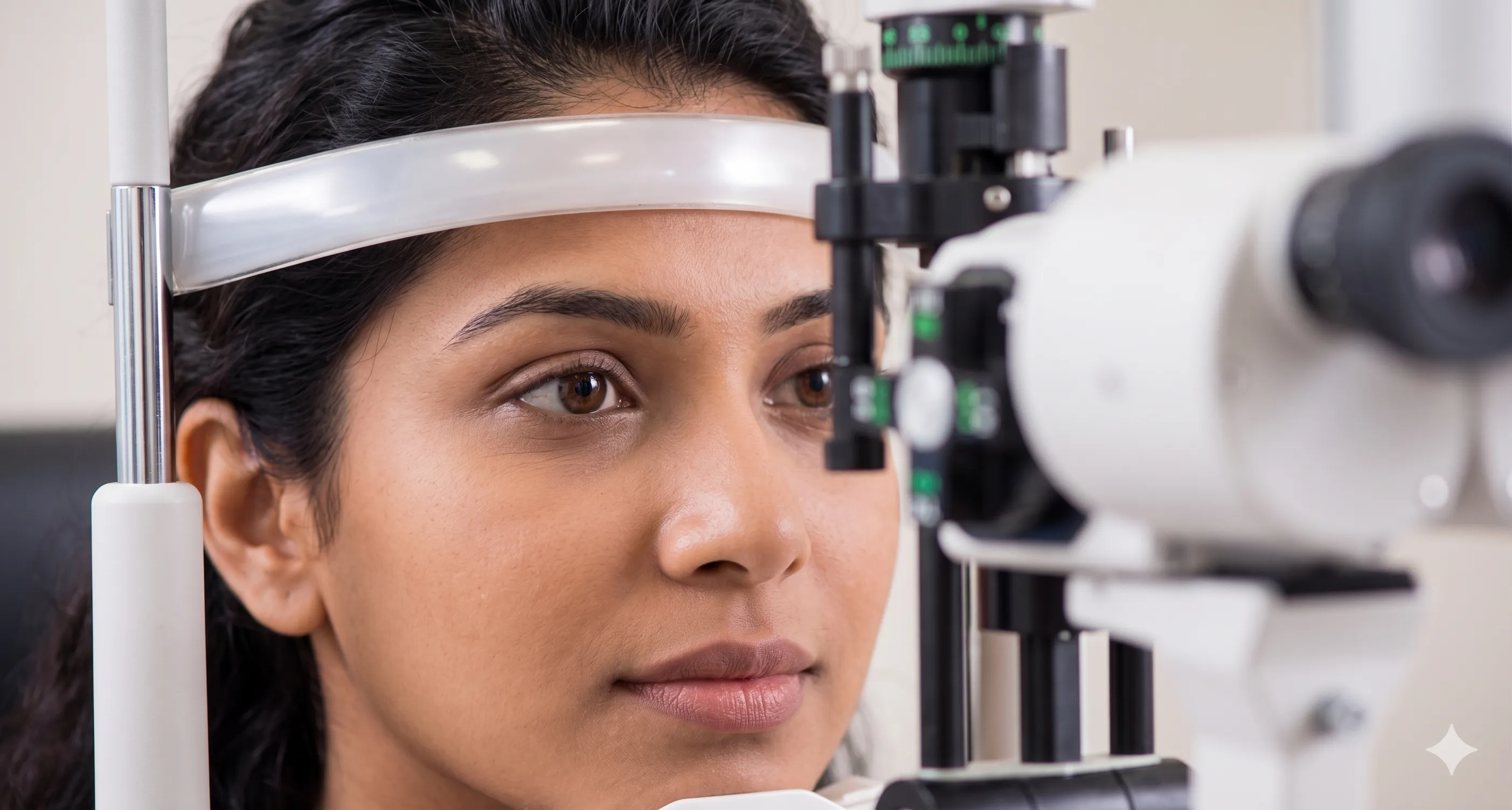 Cataract Treatment
Cataract surgery replaces the cloudy natural lens with an artificial intraocular lens. Detailed measurements help select the lens and surgical plan best suited to the eye.
Advanced lens choices designed to address specific visual priorities after cataract surgery, subject to eye suitability.
More DetailsIndividualized surgical planning for cataracts associated with additional eye conditions or greater procedural complexity.
More DetailsA detailed retinal assessment to identify conditions that may influence vision, treatment decisions, or cataract outcomes.
More Details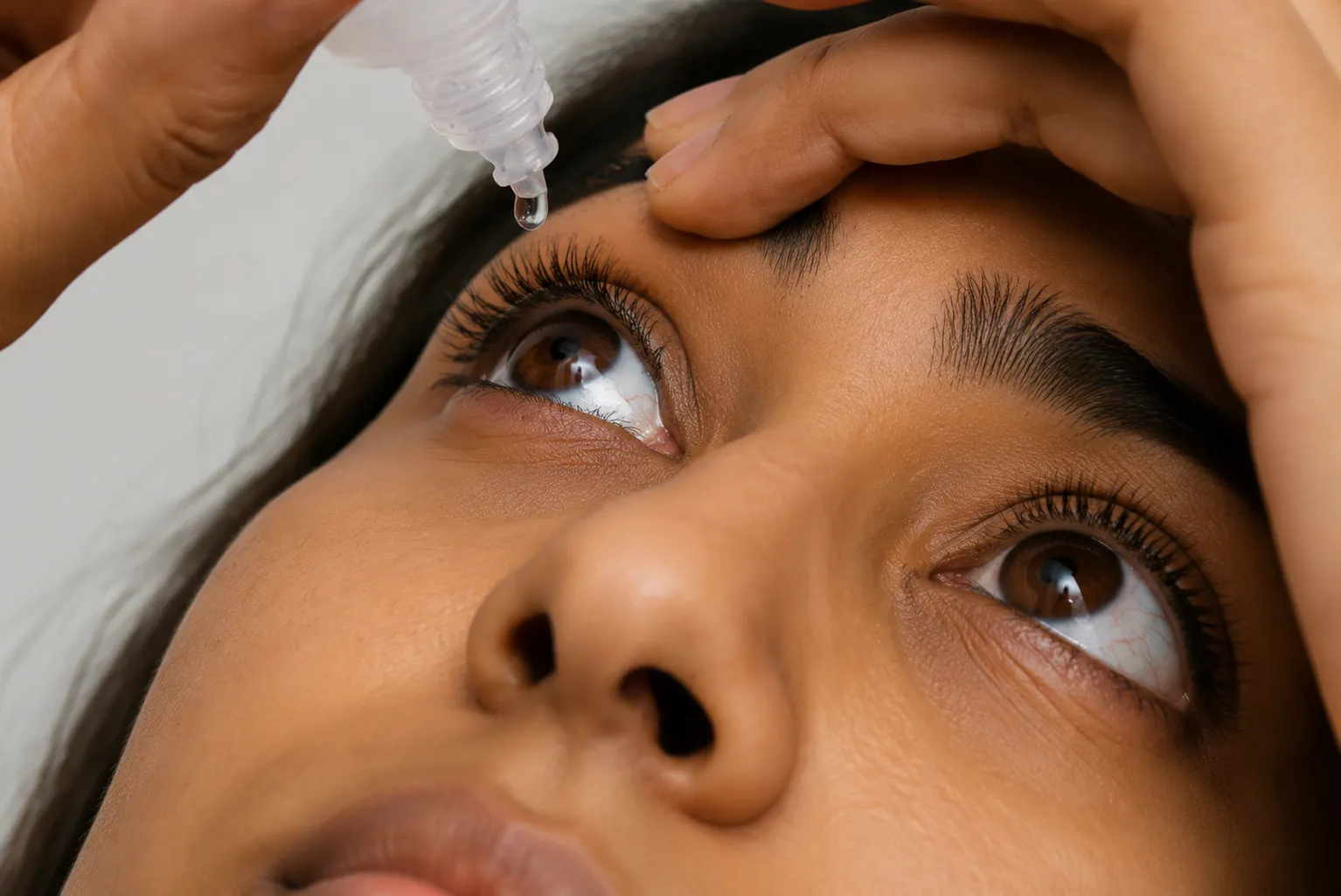 Dry Eye Treatment
Dry eye can have several causes. A careful surface and tear-film examination helps identify contributing factors and guide treatment beyond temporary symptom relief.
Personalized care may include lubrication, lid hygiene, prescription therapy, and lifestyle guidance based on the dry-eye pattern.
More DetailsSelected procedures may be considered when structural or severe surface problems require treatment beyond medicines alone.
More DetailsEye-pressure, optic-nerve, and related assessments help detect glaucoma risk or changes that may not cause early symptoms.
More Details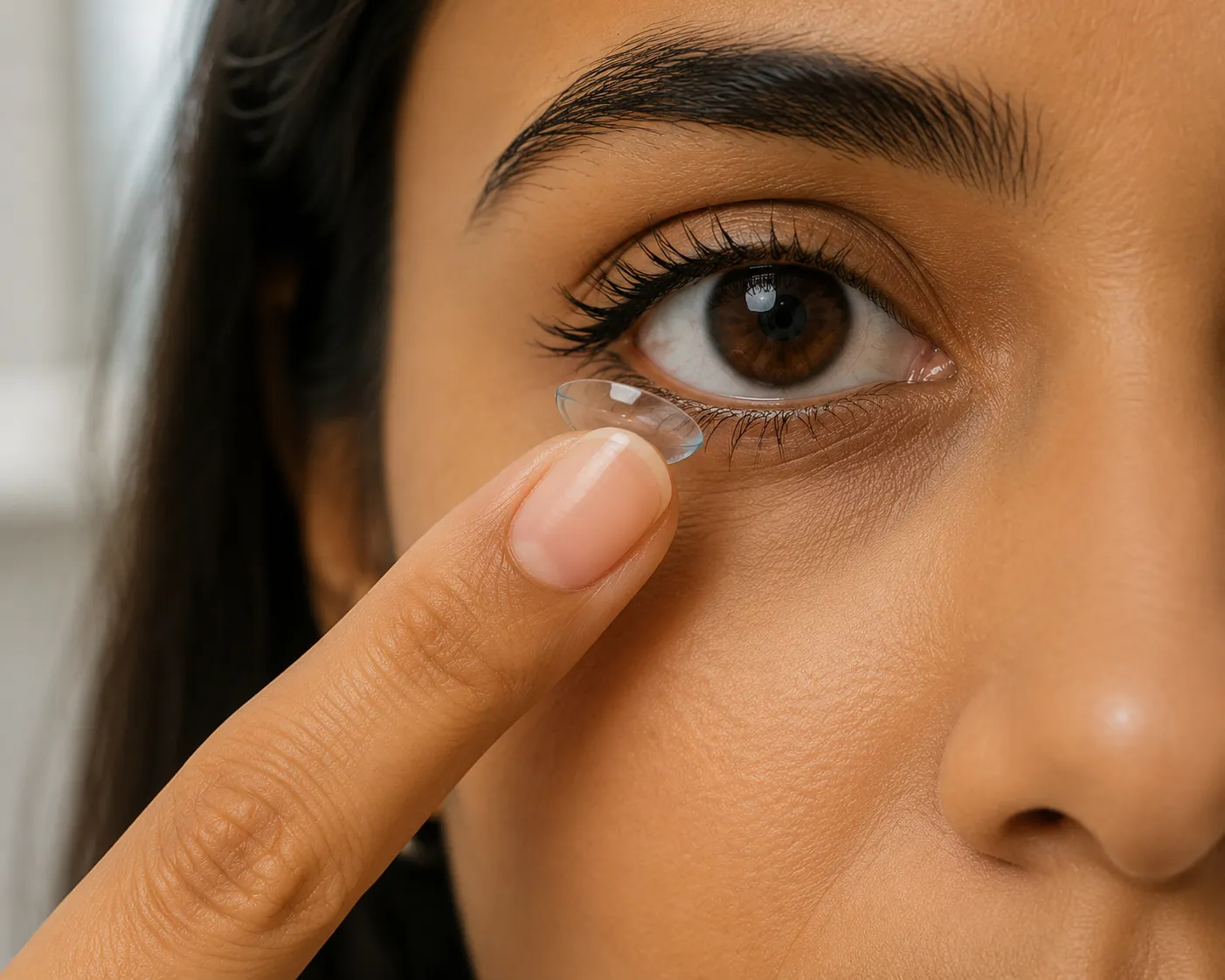 Keratoconus Treatment
Keratoconus causes progressive corneal thinning and shape change. Early mapping and regular monitoring are important for choosing vision correction and stabilizing treatment at the right time.
Detailed mapping measures corneal shape and curvature to support diagnosis, monitor progression, and plan treatment.
More DetailsSpecialized rigid lenses can create a smoother optical surface and improve functional vision in suitable eyes.
More DetailsA corneal-strengthening procedure used in eligible progressive keratoconus to help reduce further shape deterioration.
More DetailsMicro-thin corneal implants inserted into the outer layers of the cornea to flatten and stabilize its irregular shape.
More DetailsA customized surface laser reshaping procedure guided by topography mapping to smooth out corneal irregularities.
More DetailsAdvanced corneal transplantation techniques considered for progressive keratoconus when other corrective measures are no longer suitable.
More Details